World Mental Health Day: Many Ways to Start a Conversation
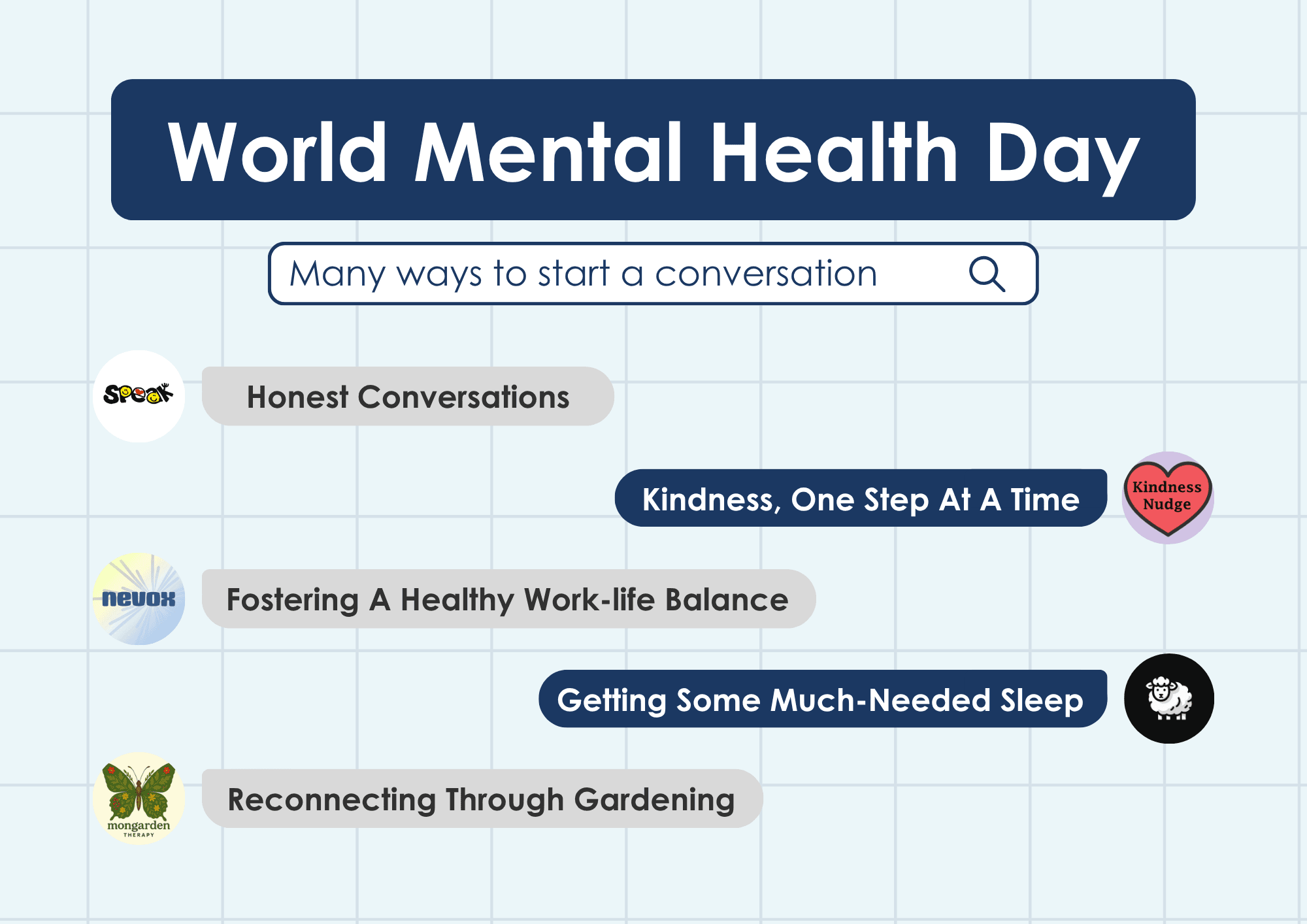
There's no single way to care for our mental health. For some, it starts with an honest conversation with someone we trust. For others, it happens through creative outlets that help us reconnect with ourselves.
This World Mental Health Day, we're celebrating the many forms these conversations can take. Meet the Groundups who have created spaces and activities for these different kinds of conversations, so that everyone can find a way in.
1. Honest conservations
Whether it is raising awareness, recognizing signs of distress, or finding support through shared experiences, such meaningful conversations can help us better understand the challenges different individuals may be going through.

SPEAK
Suicide Prevention through Empathy Awareness and Kindness (SPEAK)
SPEAK works to raise awareness of suicide among young people. It also equips the adults in their lives, such as parents, teachers and relatives, to recognize warning signs, respond with care, and know where to seek help.
Sometimes, a simple "How are you?" is all it takes to open the door to a much-needed conversation.
2. Kindness, one step at a time
Kindness does not always have to be a big gesture.
Sometimes, it can be as simple as checking in on someone, lending a listening ear, or doing something thoughtful for another person. Kindness is socially contagious; your small acts can elevate others' mood, encouraging them to pay it forward. At the same time, you start seeing yourself as a more helpful and positive person,
improving your self-esteem and supporting your own well-being.

Kindness Nudge
Kindness Nudge
Kindness Nudge encourages everyone to practice kindness through simple, everyday actions. By creating opportunities for people to connect and support one another, they help to foster a more positive and empathetic mindset, encouraging people to be more kind to each other.
We are all here to support one another. After all, a little kindness goes a long way.
3. Fostering a healthy work-life balance
One more on the to-do list, and it is 11pm at night. When does it ever end?
Finding a healthy balance between work and personal life is another important aspect of well-being. A study done by Liswandi & Rifqi (2023) found that having a poor work-life balance negatively affects employee well-being due to stress and burnout.
Creating that balance is important to ensure that the line between leisure and work is not blurred, allowing us to step away from our responsibilities, recharge, and make time for the things that matter to us.

NEVOX
NEVOX
NEVOX is a groundup creating a more reflective Singapore through structured conversations exploring our relationship with work, rest and society. Through story, dialogue, embodied practice, and shared inquiry, they help people imagine more livable ways of being together.
Sometimes, “switching off” really does mean switching off.
4. Getting some much-needed sleep
Everyday, you feel like a walking zombie, and drinking all that coffee does not help you power through the day. Are you really getting enough rest?
Maintaining a good work-life balance also means getting enough sleep daily. According to Scott et. al. (2021), sleep deprivation is associated with significant levels of depression and anxiety, showing that healthy sleep habits play an extremely essential role in overall mental health.
Counting Sheep Project
Counting Sheep Project
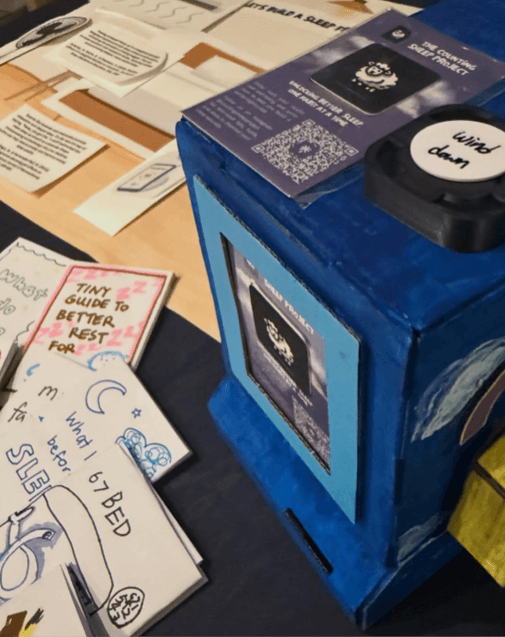
Counting Sheep Project is dedicated to improving sleep wellness and making sleep education fun and accessible for everyone. They translate research into tools, games, and workshops that promote better sleep habits, especially for youths and young adults. Through these interactive activities, they aim to help people improve sleeping habits one night at a time.
After all, there’s a reason “sleep on it” is such a common piece of advice. Sometimes, our brains just need a little downtime.
5. Reconnecting through gardening
With how much time we spent hunching over our desk staring at a screen or reading notes, we need to take time to step outside and touch grass, literally.
Making time for hobbies provides a healthy escape and takes a break from the pace of everyday life. Something that has been growing in popularity is gardening. It offers a chance to spend time outdoors, connect with nature, and focus on a simple, hands-on activity, easing anxiety.

MonGarden Therapy
MonGarden Therapy
MonGarden Therapy provides a gentle space where people reconnect with themselves through storytelling, reflection, and the slow, tender work of gardening. Through this calm activity, they teach people that growth, while non-linear, is rewarding with time, patience and care.
Looking after ourselves takes time. Healing, like gardening, cannot be rushed.
Finding what Works for You
Caring for our mental health doesn't follow a single path. It might begin with a conversation, a healthier boundary, a proper rest, or an hour set aside for something we enjoy. We hope these Groundups inspire you to find what works for you, and to take that first step, however small. It helps us feel a little more like ourselves, one step at a time.
If you have a groundup or looking to start one, reach out to BAGUS Together via our Coffee Chat so we can explore how we can help you kickstart or sustain your initiative!
FOMO?
We'll send you an email whenever something new's happening!



National Volunteer & Philanthropy Centre
(+65) 6550 9595
[email protected]
6 Eu Tong Sen St, #04-88 The Central, Singapore 059817
